
April is Earth Month, and for many Michigan homeowners, it's also the time of year when a bathroom refresh starts to feel overdue. Here's the thing: if you're already planning a bathroom remodel, it doesn't take much extra effort to make it eco-friendly. And the payoff goes well beyond feeling good about your choices. Sustainable bathrooms use less water, cost less to run, and tend to hold their value better over time.
Quick Summary
- Switching to WaterSense-labeled toilets, faucets, and showerheads can save the average household more than 13,000 gallons of water per year.
- Sustainable materials like recycled glass tile, bamboo, and reclaimed wood are widely available, durable, and beautiful.
- LED bathroom lighting uses up to 75% less energy than incandescent bulbs and lasts up to 25 times longer.
- A green remodel doesn't have to mean a bigger budget; some of the most impactful swaps cost very little.
Start with Water-Saving Bathroom Fixtures
The bathroom is where most of a home's indoor water use happens. Toilets, showers, and faucets together account for nearly 60% of indoor water consumption, which makes the bathroom the single best place to start if you want to cut your water footprint.
The good news is that today's water-efficient fixtures don't feel like a compromise. The low-flow products of 20 years ago had a reputation for weak pressure. Modern WaterSense-certified fixtures (a program run by the EPA) must meet strict performance standards, not just efficiency standards.
Toilets
Older toilets can use anywhere from 3.5 to 5 gallons per flush. A modern high-efficiency toilet uses 1.28 gallons or less. For a family of four, that single swap can save up to 13,000 gallons of water annually, according to the EPA's WaterSense program; enough to fill a backyard swimming pool.
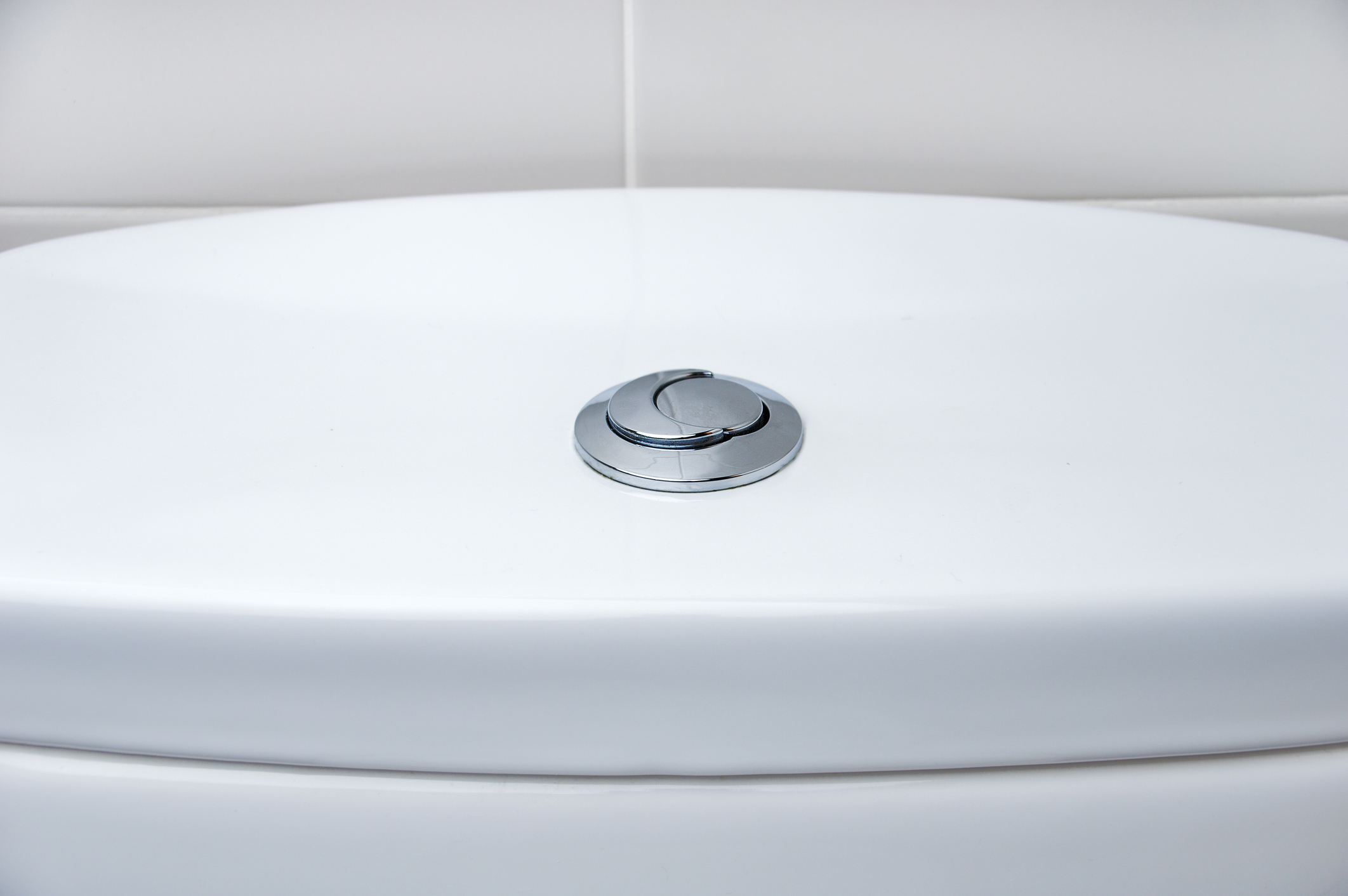
Dual-flush models give you even more control, offering a lighter flush for liquid waste and a full flush for solid waste. They're widely available at most home improvement stores and come in styles that look identical to standard toilets.
Does a low-flow toilet really work as well as a regular one?
Yes, modern high-efficiency toilets flush just as powerfully as older models. The technology has improved dramatically. Today's designs use pressure-assisted flushing and improved bowl geometry to get the same result with far less water.
Showerheads
Standard showerheads can push out 2.5 gallons per minute or more, while WaterSense-certified models use 2.0 gallons per minute or less. That difference adds up to roughly 2,700 gallons of savings per year for the average household, according to EPA data.
Modern low-flow showerheads also come with features like pause buttons, adjustable spray patterns, and wide rain-style heads, so you're not giving up anything in the shower experience.
Faucets
WaterSense-labeled bathroom faucets use no more than 1.5 gallons per minute, compared to the standard 2.2 gallons per minute. That one upgrade saves the average family around 700 gallons of water per year, according to the EPA. Plus, it's one of the easiest swaps in any bathroom.
Choose Sustainable Bathroom Materials
The materials you choose for a bathroom remodel have a bigger environmental impact than most people realize. Traditional construction materials are often energy-intensive to produce and generate significant waste. Choosing recycled, reclaimed, or rapidly renewable alternatives reduces that footprint.
Recycled Glass Tile
Recycled glass tile is made from post-consumer glass (discarded bottles, windows, and similar materials) that gets melted down and reformed into tile. It diverts waste from landfills, requires less energy to produce than new glass, and is naturally mold and moisture-resistant.
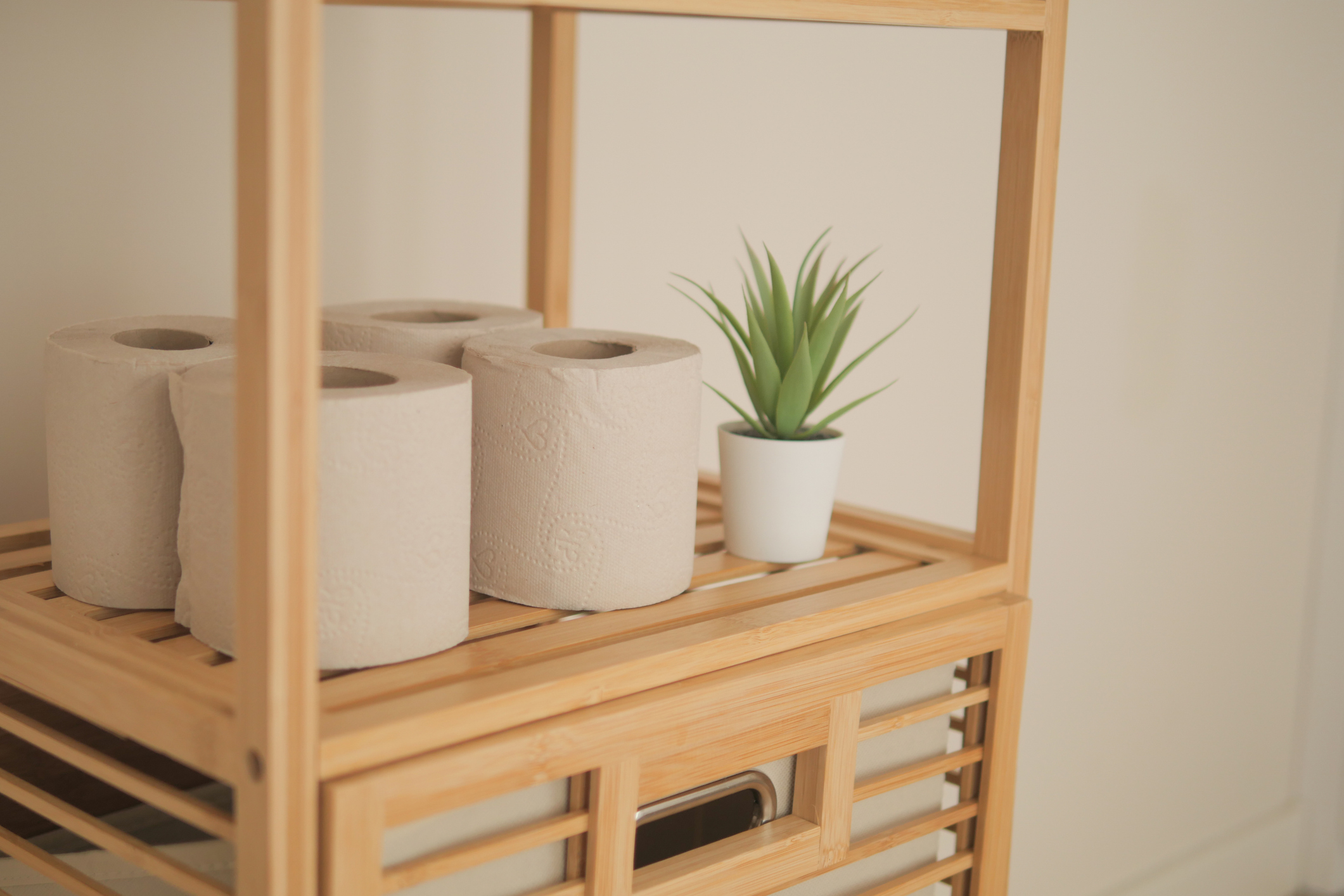
Bamboo Vanities and Shelving
Bamboo grows up to several inches per day in some species, and it can be harvested in just a few years without replanting. That makes it one of the most renewable building materials available. It's also naturally durable and water-resistant when properly sealed, which is exactly what you need in a bathroom environment.
Reclaimed Wood
Reclaimed wood is often salvaged from old barns, factories, warehouses, and demolished buildings. It brings character to a bathroom that new materials simply don't have. No two pieces are the same, and the natural imperfections are part of the appeal. More importantly, using reclaimed wood means no new trees are harvested, and no new materials undergo energy-intensive manufacturing.
Don't Overlook Lighting
Lighting is one of the easiest wins in a sustainable remodel. LED bathroom lighting uses at least 75% less energy than incandescent bulbs and lasts up to 25 times longer, according to the U.S. Department of Energy. Over the life of a single bulb, that adds up to real savings on your utility bill.
A Bathroom That Works Harder for You and the Planet
An eco-friendly bathroom remodel isn't about giving things up. It's about making choices that perform better, last longer, and cost less to run over time. Water-saving fixtures and sustainable materials all deliver on that.
Earth Month is a good reminder that these decisions matter, but the reasons to make them hold year-round. Michigan's seasons put real demands on a home, and a bathroom built with durable, high-quality materials will hold up better through them.
FAQs About Eco-Friendly Bathrooms Remodels
Here are answers to some of the questions we get most often about eco-friendly bathroom remodels:
What's the most impactful single upgrade for a more sustainable bathroom?
Replacing an old toilet is the biggest single win for most households. Older models use 3.5 to 5 gallons per flush, while modern high-efficiency toilets use 1.28 gallons or less. Additionally, modern high-efficiency toilets flush just as powerfully as older models, so you don't have to trade better efficiency for less power.
Do sustainable bathroom materials cost significantly more than standard options?
Some do, some don't. Recycled glass tile and bamboo vanities are often comparable in price to mid-range conventional options, especially as demand for sustainable materials has grown. Our bathroom experts will be happy to walk you through all your options during the remodeling process.
Is it worth going eco-friendly if I'm not planning a full bathroom remodel?
Absolutely. Some of the most impactful upgrades require no remodeling at all. Swapping to a WaterSense-certified showerhead, adding an aerator to your faucet, and replacing old bulbs with LEDs are all quick, inexpensive changes that cut your water and energy use right away.
How much can an eco-friendly bathroom remodel actually save on utility bills?
The savings depend on what you upgrade, but they add up faster than most people expect. Switching to WaterSense-certified toilets, faucets, and showerheads can save the average household more than 13,000 gallons of water per year and roughly $380 annually in water and energy costs.
Plan Your Eco-Friendly Bathroom Remodel With KDI Kitchen & Bath in Detroit, MI
KDI Kitchen and Bath works with Metro Detroit homeowners to create bathrooms that balance sustainability, style, and a realistic budget. If you're thinking about a remodel, our team can help you figure out what makes the most sense for your space.
Call (734) 284-4600 or contact us online to schedule your free, no-strings-attached on-site estimate. Showrooms are open in Wyandotte, Trenton, and Livonia.