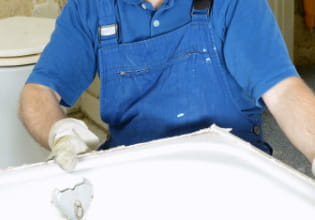
Most Michigan homeowners don't talk about it, but plenty quietly calculate their risk every time they step into the bathroom. The tub wall that never caused concern at 45 feels different at 70. Getting in is one thing. Getting out after a warm soak, when balance isn't at its steadiest, is another. But a walk-in bathtub can change the game.
September is Fall Prevention Awareness Month, and the bathroom is exactly where that conversation should start.
Bathtub Safety at a Glance
- Falls are the leading cause of injury for adults 65 and older, and roughly 80% of home falls happen in the bathroom.
- Walk-in tubs replace the standard tub wall with a low-threshold door, removing the highest-risk moment in the bathing process.
- Key safety features include a built-in seat, grab bars, non-slip flooring, and an anti-scald valve.
- Walk-in tubs require entering before the water runs and waiting for drainage before exiting, which is worth factoring into the decision.
The Bathroom Is Where Fall Risk Concentrates
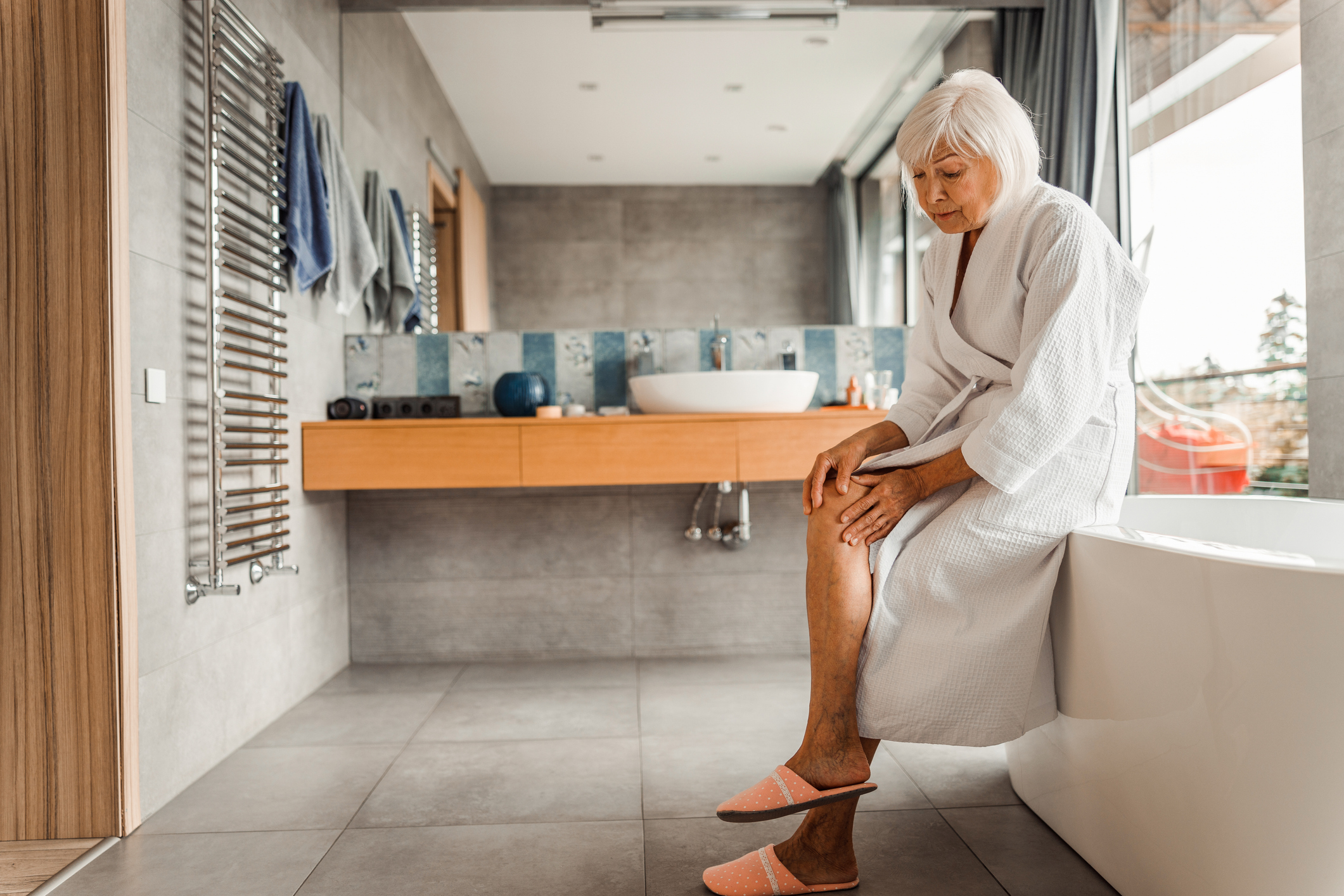
That quiet calculation before stepping over the tub wall is grounded in real risk. According to the CDC, falls are the leading cause of fatal and nonfatal injuries among adults 65 and older, with 1 in 4 older adults reporting a fall every year. The National Safety Council reports that in 2024, more than 43,000 older adults died from preventable falls, a number that has risen 21% over the past decade.
The bathroom is where that risk concentrates most. Roughly 80% of home falls happen there, where wet surfaces, hard floors, and the physical challenge of clearing a 14 to 18 inch tub wall all converge.
Grab bars and bath mats help at the margins. They don't address the core design problem: a standard tub still requires lifting one leg over that wall, balancing on one foot on a wet surface, and lowering down with nothing stable to hold.
How Does a Walk-In Tub Actually Work?
Understanding what a walk-in tub does, and what it doesn't do, is the starting point for making a good decision.
The Door, the Seal, and What to Expect
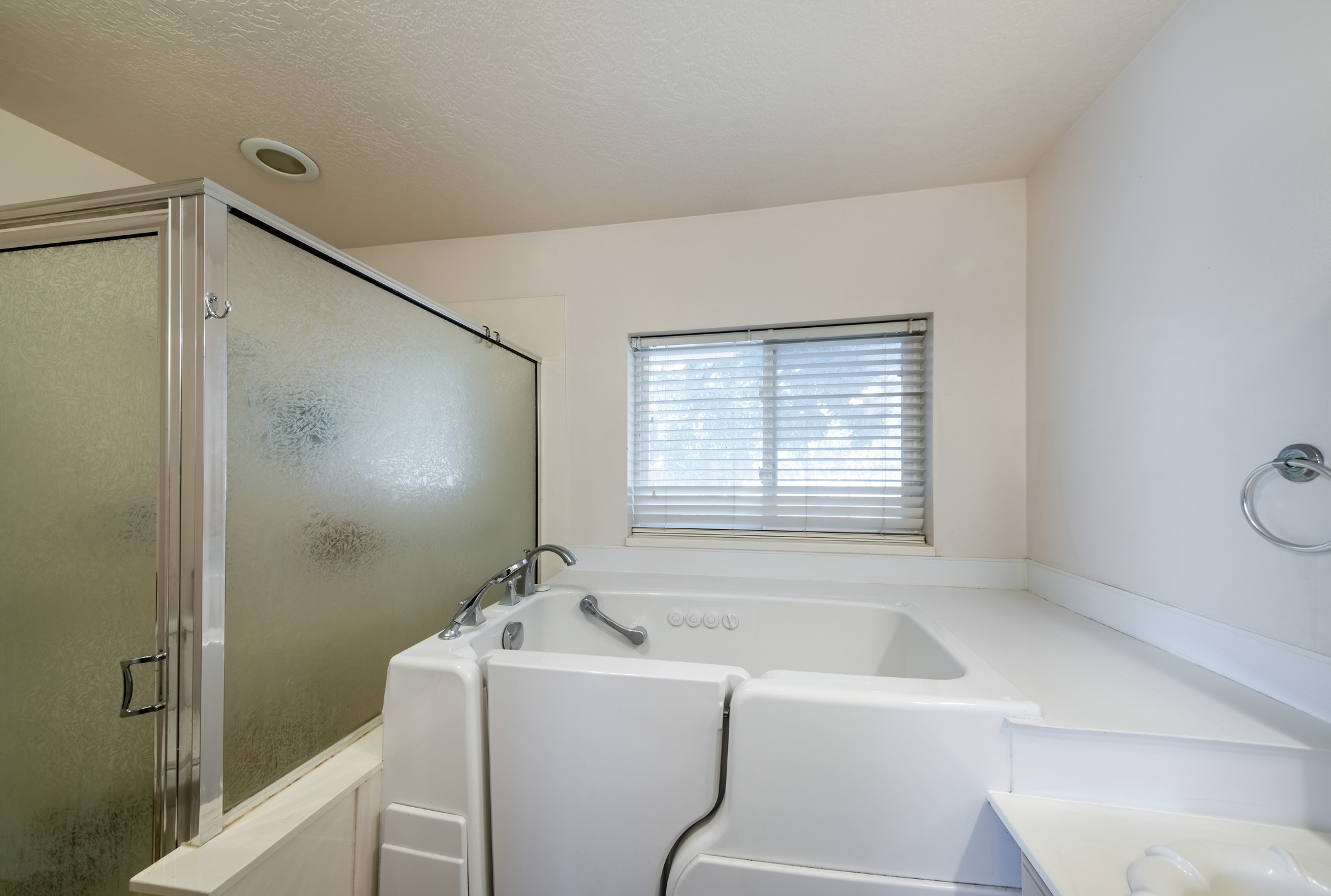
A walk-in tub replaces the standard tub wall with a watertight door that opens inward or outward. The step-in threshold sits around two to four inches high. You step in, take a seat, close the door, and then fill the tub.
Because the door stays sealed while water is in the tub, you enter before the water runs and wait for drainage before opening the door to exit. For most people, a few extra minutes is a straightforward tradeoff for the confidence that the riskiest part of bathing is no longer part of their routine.
Safety Features That Matter
The combination of features in a quality walk-in tub addresses senior bathroom safety in ways standard tub modifications can't match. A low threshold removes the most dangerous moment. A built-in seat means you're seated before the water rises. Grab bars give you something secure to hold throughout. Non-slip flooring, anti-scald valves that cap water temperature, and controls within easy reach from a seated position complete the setup.
Higher-end models add options like handheld showerheads, hydrotherapy jets for joint relief, and in-line heaters that maintain water temperature during longer soaks. Those features vary by model and price, and not everyone needs them. The safety basics are what drive most of the value.
Does Medicare cover walk-in tub installation?
Standard Medicare doesn't cover walk-in tubs because, in most cases, they are classified as home modifications rather than medical equipment. Some Medicare Advantage plans include home modification benefits, and Medicaid programs vary by state. Veterans may have access to assistance through VA home modification programs.
What Else Belongs in a Safer Bathroom?
A walk-in tub is often the centerpiece of a safer bathroom, but it works best as part of a broader accessible bathroom remodel. Properly placed grab bars near the toilet and shower provide support at other common transition points. Good lighting, including low-level lighting along the path from the bedroom to the bathroom, reduces risk on nighttime trips that account for a significant share of senior falls.
KDI Kitchen & Bath approaches these projects as complete bathroom upgrades rather than isolated installs. If a bathroom warrants a walk-in tub, it likely benefits from a fuller look at what else could be improved while the work is already underway.
How long does a walk-in tub installation take?
Most professional installations take one to two days, depending on the existing bathroom layout and any plumbing adjustments the project requires. KDI's team assesses your specific bathroom during a free on-site visit and gives you a clear timeline before any work begins.
The Michigan Reality Most Families Don't Know About
A National Poll on Healthy Aging conducted by the University of Michigan found that while 44% of Michigan adults 65 and older have made some home modifications, only 49% have grab bars in their bathrooms. Most Metro Detroit homes didn't have accessibility built in from the start, and most haven't been updated since.
The changes that reduce fall risk most don't require gutting a bathroom from the ground up. KDI Kitchen & Bath has been helping Metro Detroit homeowners make these updates for years, and the team knows how to work within existing footprints to add real safety without a full renovation.
Is a walk-in tub the right fit for every bathroom?
Not always. Some bathrooms have plumbing configurations or space constraints that make installation more involved. In those cases, a walk-in shower with a low or zero-threshold entry and built-in seating is often a strong alternative. KDI can assess your specific bathroom during an in-home visit and help you figure out which option fits your space.
FAQs: Fall Prevention in Bathrooms
What's the biggest safety advantage a walk-in tub has over a standard tub?
The threshold height. A standard tub requires stepping over a wall that's typically 14 to 18 inches high, which means balancing on one foot on a wet surface before reaching anything stable. A walk-in tub brings that threshold down to two to four inches.
Can a walk-in tub fit into an existing bathroom without a full renovation?
In most cases, yes. Manufacturers build walk-in tubs to fit standard bathroom dimensions, and a professional installer can typically work within the existing plumbing and footprint. The specific layout of each bathroom determines what adjustments the project needs.
Do walk-in tubs make sense only for people who already have mobility issues?
Not at all. Many homeowners install them as a proactive step toward aging in place, before mobility becomes a concern. The same features that support someone with limited mobility today also prevent falls in people who are still fully mobile.
Safe Bathing for Seniors Should Feel Like a Given
A bath is supposed to be relaxing. For many older adults, that changed in the last few years. Safe bathing for seniors isn't a specialty product category. It's a bathroom that matches the way someone actually lives now.
Fall Prevention Awareness Month is the perfect time to start making changes to your bathroom to prevent a fall. Planning before a fall happens is easier, less expensive, and less disruptive than responding after one.
Make Your Bathroom Work for You, Not Against You
KDI Kitchen & Bath handles accessible bathroom remodels across Metro Detroit, with showrooms in Wyandotte, Trenton, and Livonia. If you or someone in your family is thinking about making a bathroom safer, call (734) 284-4600 or contact us online to schedule your free, no-strings-attached on-site estimate.