
Michigan summers don't mess around, and neither does a hot oven on a 90-degree day. If your kitchen turns into the warmest room in the house every time you cook, the problem usually isn't you: it's the kitchen. Poor airflow, the wrong countertop material, and harsh lighting can all make a summer kitchen feel hotter than it needs to.
The fix doesn't require a full remodel. A few smart choices around ventilation, surfaces, and lighting can make a real difference in how comfortable your kitchen feels all season. Here's where to start.
Cool Kitchen Design at a Glance
- A properly sized range hood pulls heat and humidity out of your kitchen rather than letting them linger.
- Granite and quartzite handle heat far better than quartz does.
- Light-colored cabinet finishes and countertops reflect heat and light instead of absorbing it.
- Cooler LED lighting, 4000K and up, keeps a kitchen feeling bright instead of warm and dim.
- KDI Kitchen & Bath helps Metro Detroit homeowners design kitchens built for the season.
Kitchen Ventilation Tips That Actually Move the Heat Out
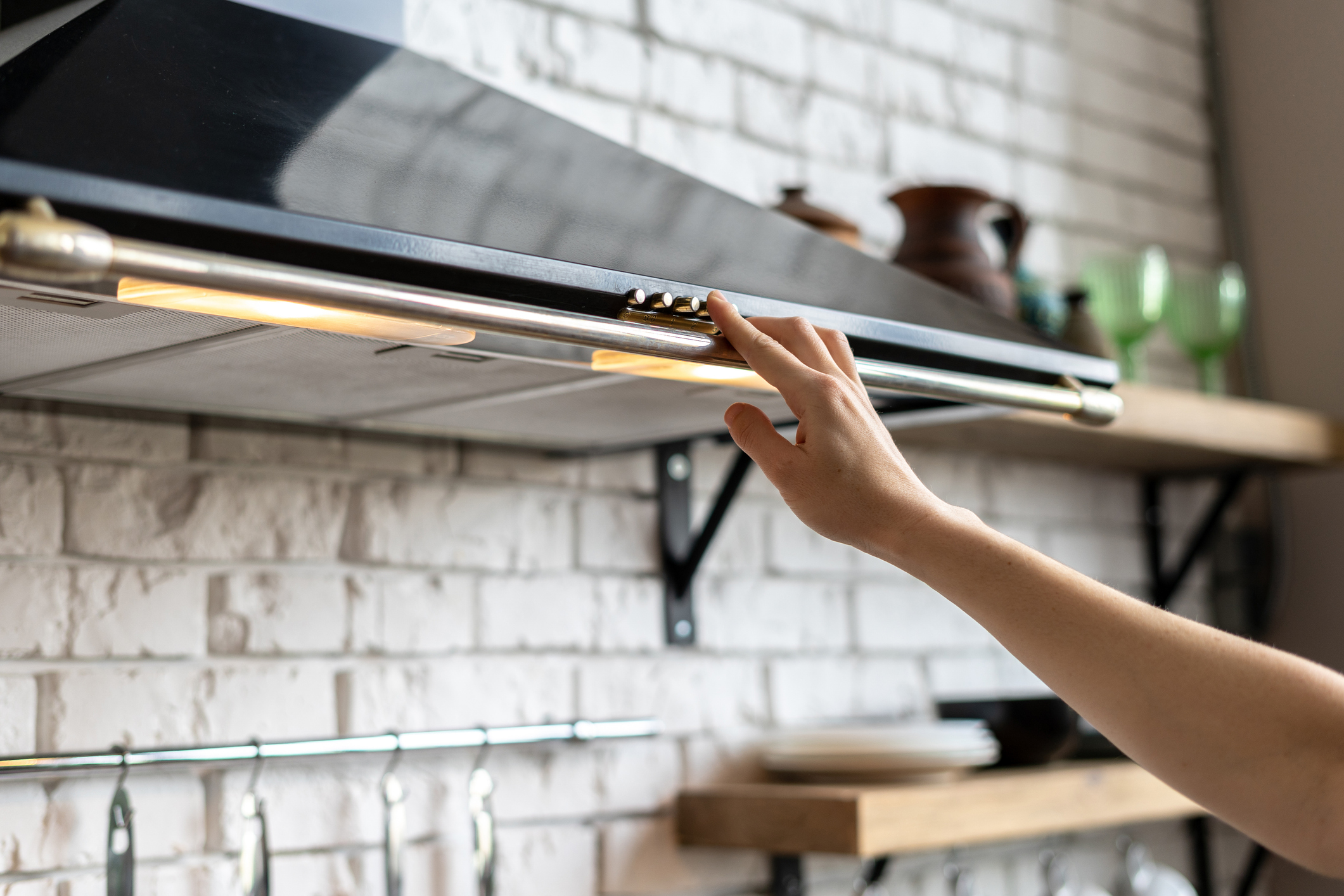
A range hood's job isn't just to clear smoke. It pulls hot, humid air out of your kitchen before it spreads through the rest of your home. When that system is undersized or skipped, your air conditioning ends up fighting a battle it shouldn't have to fight.
Get the Sizing Right
CFM, or cubic feet per minute, measures range hood performance. For most home kitchens, a ducted hood should be rated for at least 600 CFM if you're doing a lot of high-heat cooking, according to the Home Ventilating Institute, the trade group that certifies range hood performance.
The hood itself should also extend three to six inches beyond each side of your cooktop, so a 30-inch cooktop needs at least a 36-inch hood to actually capture what's rising off it.
Ducted Beats Ductless for Heat Removal
Ducted range hoods vent air straight outside, which makes them far more effective at removing heat and humidity than ductless models that recirculate filtered air back into the room. If your kitchen doesn't have ductwork, ask about adding it during a kitchen remodel. The upfront work pays off every summer afterward.
Does a range hood really make a noticeable difference in summer?
Yes. Cooking generates a surprising amount of heat and moisture, and without proper ventilation, both linger in the kitchen and spread to nearby rooms. A good range hood pulls that heat out before your air conditioning has to compensate for it, which keeps the kitchen and the rooms around it more comfortable.
Choose Heat-Resistant Countertops
Not every countertop material handles a hot pan the same way, and the differences matter more than most people expect.
Granite is one of the most heat-resistant materials available for a countertop. It forms underground under intense heat and pressure, so a hot pan resting on it briefly won't cause damage. Quartzite performs similarly well and offers a natural stone look with strong heat tolerance.
Quartz is a different story. It's an engineered material made from stone and resin, and that resin doesn't hold up to high heat the way solid stone does.
Is quartz a bad choice for a kitchen that gets hot?
Not necessarily, but it needs more care. Quartz resists stains better than granite and stays low-maintenance, which is why it's so popular. The tradeoff is heat sensitivity, so commit to using trivets consistently, especially during summer cooking.
Quartz can discolor or even scorch under a hot pan, so trivets are essential if you have quartz in your kitchen. Porcelain is also worth a look. Manufacturers fire it at extremely high temperatures, which gives it excellent heat resistance, even though it doesn't get talked about as often as granite or quartz.
Light Cabinet Finishes Keep Things Cooler
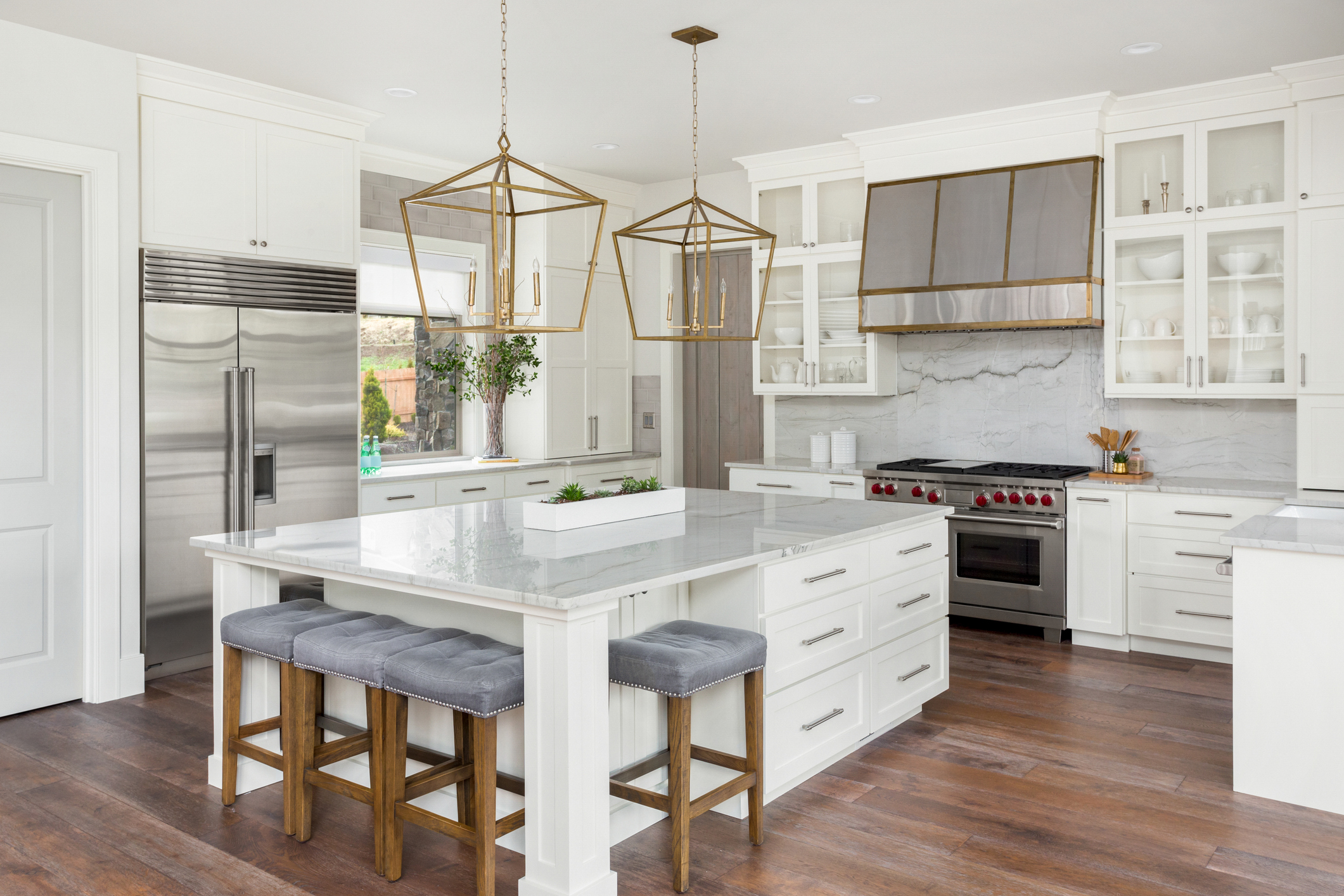
Dark cabinets and countertops absorb more heat and light, which can make a kitchen feel warmer even when the temperature hasn't changed. Lighter finishes do the opposite. They reflect light around the room instead of soaking it in, which keeps a kitchen feeling brighter and cooler during the long daylight hours of a Michigan summer.
This doesn't mean your whole kitchen needs to be white. Soft grays, warm whites, and light wood tones create the same reflective effect while still giving you design flexibility. Light-colored countertops follow the same logic and tend to feel cooler to the touch than darker surfaces sitting in direct sunlight near a window. If you're already considering a cabinet refresh, summer is a good time to lean toward finishes that work with the season instead of against it.
Bright Kitchen Lighting That Doesn't Add to the Heat
Lighting affects how a kitchen feels in more ways than people realize. Older incandescent bulbs run hot and add unnecessary heat to a room that's often already working overtime in summer. LEDs solve that problem and also let you control the tone of the space.
Pick the Right Color Temperature
Manufacturers measure LED color temperature in Kelvins. Lights in the 4000K to 5000K range read as crisp and bright, which works well for task areas like countertops and islands where you're prepping food. Anything above 5000K starts to feel close to daylight, which pairs especially well with white or light gray cabinets.
Warmer lighting, down around 2700K to 3000K, creates a cozier glow but isn't the move if your goal is a kitchen that feels fresh and cool in summer.
What's the best lighting setup for a kitchen that stays cool and bright?
A layered approach works best. Use cooler-toned LEDs at 4000K or higher for your main overhead and task lighting, then add under-cabinet LED strips to brighten your countertops without extra heat. According to ENERGY STAR, LEDs stay cool to the touch and use up to 90% less energy than incandescent bulbs, so you get the brightness without the added warmth in the room.
FAQs About Keeping Your Kitchen Cool
What's the single biggest factor in keeping a kitchen cool during summer cooking?
Ventilation. A properly sized range hood removes heat and humidity at the source instead of letting it spread through the kitchen and the rest of your home. Everything else helps after that, but airflow is the foundation.
Are granite countertops actually better than quartz for a hot kitchen?
For heat resistance specifically, yes. Granite handles direct contact with a hot pan far better than quartz. Quartz still has plenty of advantages, like stain resistance and low maintenance, so the right choice depends on what matters most to you day-to-day.
Will switching to LED lighting really make my kitchen feel cooler?
It helps more than people expect. Incandescent and halogen bulbs generate noticeable heat, while LEDs run cool by comparison. Combined with a higher color temperature, LEDs make a kitchen feel brighter and crisper rather than warm and dim.
A Kitchen Built to Handle Whatever Summer Brings
You don't need to gut your kitchen to make it more comfortable in summer. Better ventilation, smarter material choices, and the right lighting change how a kitchen feels without a full renovation. If your kitchen still runs hot after all that, it might be time to look at the bigger picture: layout, window placement, and airflow throughout the space. Browse our kitchen design portfolio for ideas on how it can all come together.
Let's Talk About Your Kitchen
KDI Kitchen & Bath helps Metro Detroit homeowners design kitchens that work with Michigan's seasons instead of against them.
Call (734) 284-4600 or contact us online to schedule your free, no-strings-attached on-site estimate. Showrooms are open in Wyandotte, Trenton, and Livonia.