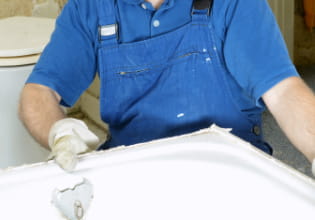
Before demolition day, every bathroom remodel comes down to one question: tub or shower? Here's the short answer to the age-old walk-in shower vs bathtub debate: one option isn't better than the other, and the right choice ultimately comes down to personal preference and your unique needs.
At KDI Kitchen & Bath, we help homeowners in the Metro Detroit area with every aspect of their bathroom remodels, including installing a new bathtub or walk-in shower. Join our team of experts as they show you the pros and cons of each, including everyday uses and resale value.
Shower vs. Tub at a Glance
- A walk-in shower is easier to enter and exit than a tub, which matters most for aging in place.
- A tub still wins for bathing kids and pets and for long soaks.
- Converting a tub to a shower averages about $3,000, and replacing a tub averages $5,665, with wide ranges for both.
- Keep at least one tub in the house if resale value matters to you.
- KDI Kitchen & Bath's design team can help you compare layouts in your own bathroom before you commit.
Walk-In Shower vs. Bathtub: A Quick Comparison
A walk-in shower has no tub wall to step over, just a low curb or none at all. A tub-shower combo is the standard alcove tub with a showerhead above it. Both differ from a walk-in tub, which has a watertight door and a built-in seat.
Here's how a walk-in shower and a bathtub compare at a glance:
Walk-In Shower
- Quick, easy entry
- Easier to enter and exit
- Harder to bathe kids and pets
- No soaking option
- Good resale appeal, but some buyers want a tub
Bathtub
- Step over the wall to enter
- Higher step is harder for the elderly
- Easier to bathe kids and pets
- Soaking is an option
- Appeals to the widest range of buyers
26% of renovating homeowners remove their tub, and 82% of them make the shower bigger. Low-curb showers (44%) outnumber fully curbless ones (20%) in the same study. A caution about curbless floors: they can let water pool as a house shifts, so a small lip is often wise.
Convert Tub to Shower Cost: What Drives the Price
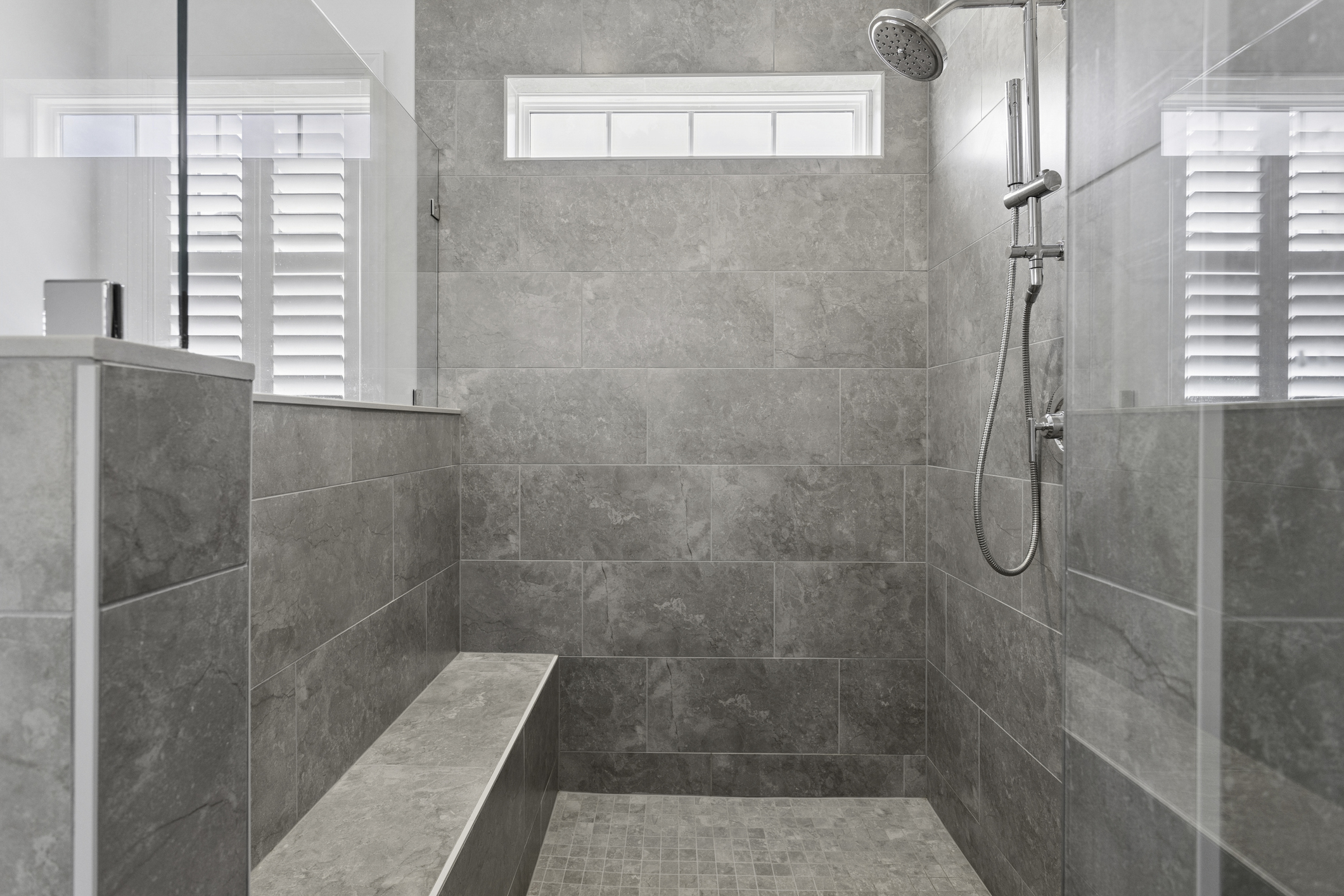
Converting a tub to a shower averages about $3,000, with most projects landing between $1,500 and $8,000. Your choices create that spread. A prefab insert costs far less than a custom tiled shower, and labor typically makes up 40% to 60% of a remodel's cost.
Replacing the tub is a different project and averages $5,665, with a normal range of $1,978 to $9,353. The tub itself drives much of that spread: a standard tub runs $200 to $800, while soaking and walk-in models cost far more.
Surprises matter too. Once the tub wall comes out, crews can find water damage or old plumbing that needs repair. That's worth planning for in Metro Detroit because roughly 60% of occupied homes in Michigan date to the 1970s or earlier. Build a cushion into your budget and get a measured estimate before you commit.
Is it cheaper to keep the tub?
Often, yes. A conversion starts with removing the tub, which Angi puts at $150 to $300 for removal and disposal alone, before new surfaces and fixtures. If your tub is in good shape and you just want a fresh look, keeping it usually costs less.
Shower vs. Tub Resale Value: Should You Keep One Tub?
The old rule of one tub per floor with a bedroom is no longer hard and fast, and a missing tub is unlikely to sink a sale. Tubs do make it easier to bathe kids and pets, so family buyers often look for one.
Removing every tub can narrow your pool of buyers. The effect on value is hard to prove, so check local comps with an agent. In 55+ communities, primary baths often get walk-in showers while hall baths keep a tub. Use that split if you have two bathrooms, and keep the tub if you only have one.
Should I remove the only tub in my house?
Probably not if you plan to sell soon. Ask a local agent whether tubless homes sell as well as others in your neighborhood before you decide. If it's your long-term home and nobody needs a tub, a shower is a fair call.
Bathroom Remodel: Shower or Tub? Match It to Your Household
Choose a walk-in shower if you want easier entry, plan to age in place, or rarely use the tub. Our guide to accessible kitchen and bath remodels covers the features that make showers safer. Showering also accounts for nearly 17% of indoor water use, according to the EPA, and a WaterSense showerhead can save the average family 2,700 gallons a year.
Keep a tub if you bathe young children or pets, or you love a long soak after a cold Michigan day. Consider a walk-in tub if you want to keep soaking but need a seat and a lower step.
Before You Meet a Designer: What to Decide First
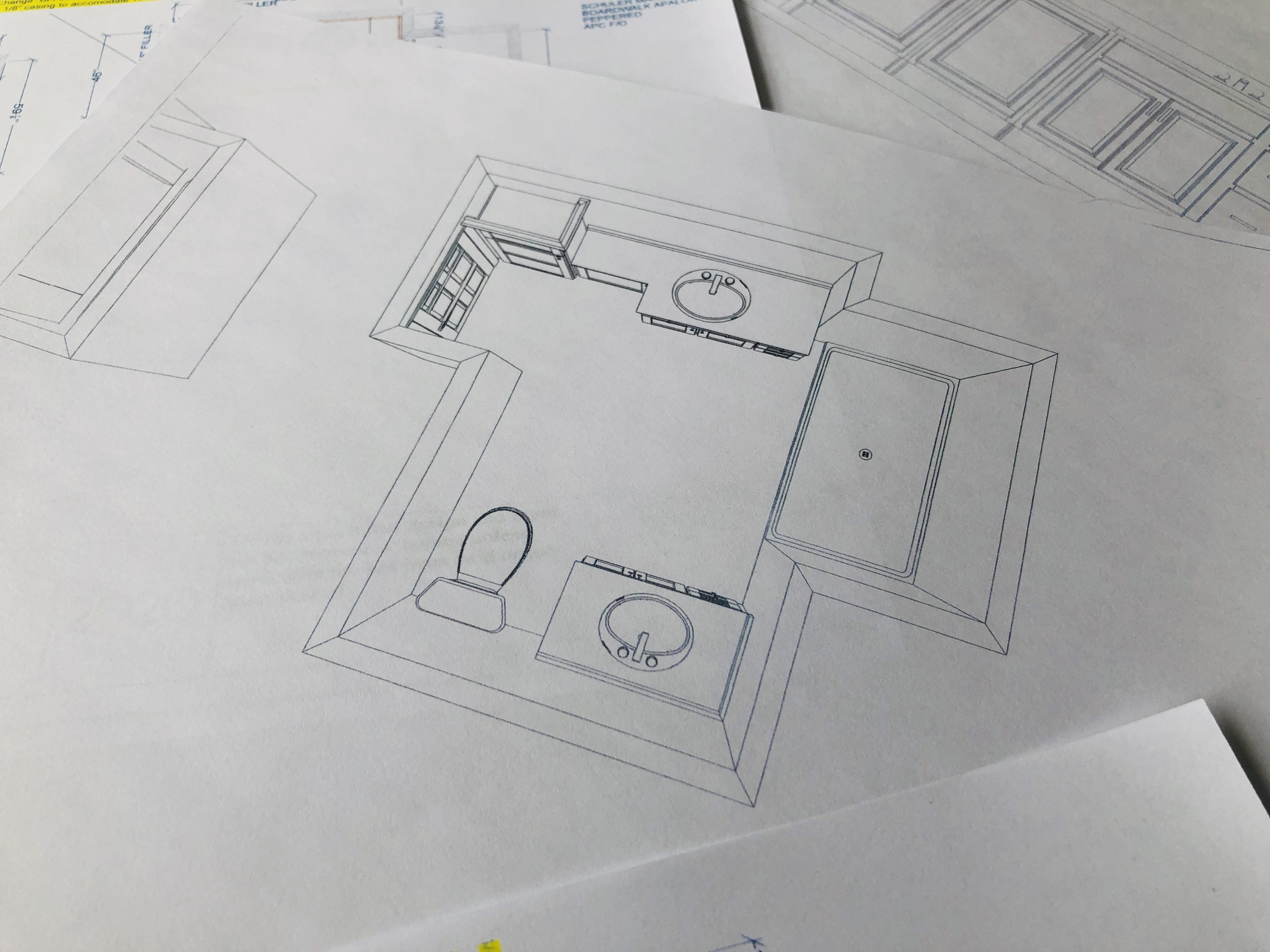
Settle these four questions, and your consultation will go faster:
- Who uses this bathroom every day, and how old are they?
- Do you have another tub elsewhere in the house?
- Do you plan to sell in the next five years?
- What's your budget, including a cushion for surprises behind the walls?
KDI Kitchen & Bath is a family-owned, licensed and insured remodeler that handles bathroom remodels across Metro Detroit, with showrooms in Wyandotte, Trenton, and Livonia. Our team offers a free on-site estimate with professional measurements.
FAQs: Showers and Tubs
What's the difference between a walk-in shower and a walk-in tub?
A walk-in shower is an open, low-entry shower with no tub wall to climb over. A walk-in tub is a bathtub with a watertight door and a built-in seat. You step in, close the door, fill it, then wait for it to drain before stepping out.
What's the cheapest way to turn a tub into a shower?
A prefab insert is usually the budget route. Fiberglass and acrylic are the cheapest materials, while custom tiled walk-in showers run $3,500 to $15,000. Hidden repairs behind the wall can add cost either way, so get a measured quote.
Do I need a permit to convert a tub to a shower?
It depends on your city and how much plumbing work there is. Permits can cost anywhere from $200 to $2,000 depending on location and project size, and some locations require a bathroom permit. Ask your contractor to confirm local rules before work starts.
Pick the Bathroom That Fits Your Mornings, Not Just the Trend
The walk-in shower vs bathtub question has no universal winner. Match your choice to who uses the bathroom, what you'll spend, and when you might sell. Many bathroom remodel ideas for Metro Detroit homes start with this one decision, and once it's made, the rest of the design falls into place.
Pick a Direction, Then Call KDI
Bring your bathroom remodel ideas and a few photos to a KDI showroom in Wyandotte, Trenton, or Livonia, or call (734) 284-4600 to book a free on-site estimate with KDI's design team. You can also request your estimate online.